Unearthing Terror: Hidden Gems and Underrated Horror Films You Can't Miss
Are you tired of the same old jump scares and predictable plots dominating the horror genre? Do you crave a deeper, more unsettling experience that lingers long after the credits roll? Then you, my friend, are likely on a quest for the truly *underrated horror films* – those hidden gems that offer unique thrills, chilling narratives, and often, a profound psychological impact. The thrill of stumbling upon a truly *vergessener horrorfilm entdeckt* (a forgotten horror film discovered) is unparalleled for any cinephile. It's about digging beneath the surface, past the mainstream blockbusters, to unearth cinematic treasures that were either ahead of their time, too challenging for mass appeal, or simply overlooked.
This article invites you to embark on a journey into the shadowy corners of horror cinema, presenting a curated list of films that defy convention and deliver genuine frights. These are the movies that prove horror isn't just about gore or cheap scares; it's an art form capable of exploring the darkest facets of the human psyche, societal anxieties, and existential dread. Get ready to update your watchlist with some truly unforgettable experiences that promise to haunt your dreams.
The Allure of the Forgotten: Why Some Films Deserve a Second Look
Many phenomenal horror films fall through the cracks for various reasons. Sometimes, it's a limited release, poor marketing, or simply being released at the wrong time. Others tackle themes so uncomfortable or use storytelling techniques so unconventional that they alienate mainstream audiences, only to find their devout following years later. The journey to discovering a *vergessener horrorfilm entdeckt* isn't just about the movie itself; it's about the excitement of uncovering something truly special that few others know about. It's a badge of honor for the discerning horror fan, a testament to their dedication to the genre. These films often offer a fresh perspective, an innovative scare, or a lingering atmosphere that more commercial offerings rarely achieve. As you delve into this list, you'll find a range of subgenres – from chilling found footage to surreal psychological thrillers and visceral social commentaries – each offering a unique brand of terror.
Dive Deep: Our Top Picks for Underrated Horror
Prepare to be captivated by these selections, each a testament to the power of overlooked horror cinema.
1. The Poughkeepsie Tapes (2007, USA) – The Cult of Realism
Directed by John Erick Dowdle,
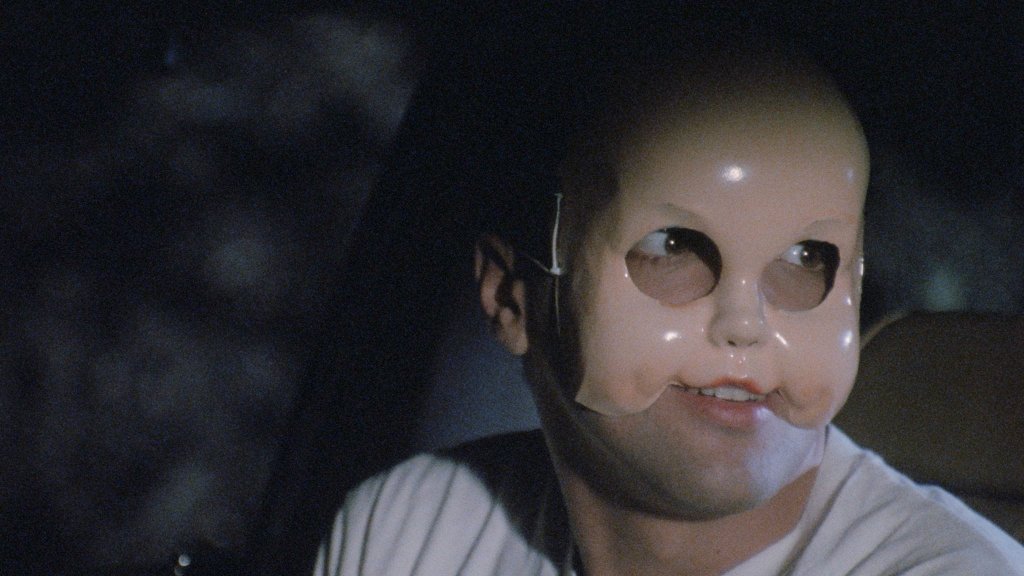
The Poughkeepsie Tapes is not just a film; it's an experience in pure, unadulterated dread. Presented as a fake documentary, it purports to be an investigation into a serial killer's horrifying cache of VHS tapes found in an abandoned house in Poughkeepsie, New York. For years, this film was a whispered urban legend among horror aficionados, largely due to its extremely limited release and subsequent unavailability.
*
Why it haunts: The film's strength lies in its relentless realism. It doesn't rely on jump scares but rather on a suffocating sense of authenticity that makes the viewer question the line between fiction and reality. The unsettling nature of the killer's motives and the disturbing footage creates an atmosphere of pervasive despair. It's a masterclass in psychological manipulation, where the implied violence is often more terrifying than anything explicitly shown. This film challenges the viewer's ability to cope with truly disturbing material, earning its place as a quintessential example of a *vergessener horrorfilm entdeckt* that found its audience through word-of-mouth and sheer audacious terror.
2. The Woman (2011, USA) – Uncomfortable Truths
Based on a story by the late, great Jack Ketchum and directed by Lucky McKee,
The Woman is a visceral and deeply unsettling dive into human barbarity. It follows a seemingly "civilized" family man who captures a feral woman from the wilderness, imprisoning her in his cellar with the aim of "civilizing" her. What unfolds is a harrowing examination of power, control, and the thin veneer of civility that can quickly shatter.
*
Why it's essential: This film is relentlessly bleak and uncompromising in its portrayal of abuse and hypocrisy. It's designed to make you squirm, forcing a confrontation with uncomfortable questions about morality and the inherent savagery within humanity. While often polarizing due to its graphic content and challenging themes,
The Woman is a powerful piece of social commentary thinly veiled as horror, proving that true terror can come from the monsters hiding in plain sight. It’s a film that demands discussion and firmly establishes its place among the most thought-provoking *underrated horror films*.
3. Dead End (2003, France/USA) – A Nightmare Road Trip
Directed by Jean-Baptiste Andrea,
Dead End offers a minimalist yet incredibly effective brand of horror. A bickering family on a Christmas Eve road trip takes an unfamiliar shortcut, only to find themselves trapped on an endless road where bizarre and terrifying events unfold.
*
Why it's a hidden gem: Despite its small budget,
Dead End achieves remarkable suspense and a genuinely creepy atmosphere. It masterfully blends sardonic humor with a pervasive sense of dread, evoking classic Twilight Zone vibes. The performances, particularly from horror icon Lin Shaye, are outstanding, adding layers of dark comedy and genuine emotion to the escalating nightmare. It's a clever, self-contained horror story that relies on mood and character rather than gratuitous gore, making it a perfect watch for those seeking a unique and atmospheric experience.
4. The Taking of Deborah Logan (2014, USA) – When Illness Becomes Evil
Adam Robitel’s
The Taking of Deborah Logan starts as a documentary about an elderly woman suffering from Alzheimer's, but rapidly descends into a terrifying tale of demonic possession. This found-footage gem skillfully blurs the lines between mental deterioration and supernatural influence.
*
Why it excels: The film's brilliance lies in its respectful yet chilling portrayal of Alzheimer's, expertly weaving it into a narrative of ancient evil. The horror feels deeply personal and tragic, preying on our fears of losing control over our minds and bodies. The infamous "jaw moment" is a truly iconic and stomach-churning piece of body horror that sticks with viewers long after the credits roll. It's a powerful example of how found footage can elevate a narrative, making the viewer feel like an uncomfortable witness to a very private and horrifying descent.
5. Lake Mungo (2008, Australia) – The Quiet Haunting of Grief
Joel Anderson's
Lake Mungo is an Australian found-footage film that is less about jump scares and more about psychological excavation and profound sadness. After the tragic drowning of their teenage daughter, Alice, the Palmer family begins to experience unsettling occurrences, leading them to believe Alice is trying to communicate from beyond the grave.
*
Why it resonates: This film is a masterpiece of subtle, creeping horror. It’s a haunting exploration of grief, loss, and the lingering presence of the past, presented with a documentary-like sincerity. There's no blood, no cheap scares, just a pervasive sense of melancholy and existential dread that gets under your skin. Fans of introspective, emotionally resonant horror will find
Lake Mungo deeply affecting and genuinely unsettling, proving that the quietest terrors are often the most profound. To delve deeper into such atmospheric films, you might enjoy
Uncover 10 Forgotten Horror Movies for Your Next Thrill.
6. Session 9 (2001, USA) – Madness in the Asylum
Brad Anderson's
Session 9 is a slow-burn psychological horror film set in the sprawling, decrepit Danvers State Mental Hospital. A small asbestos abatement crew takes on the daunting task of cleaning the abandoned asylum, but as they work, the building's dark history begins to unravel their sanity.
*
Why it chills: The real-life location of Danvers Asylum is a character in itself, dripping with a palpable sense of decay and former suffering. The horror in
Session 9 is insidious, building gradually through escalating tension, psychological unraveling, and the chilling discovery of old patient therapy sessions. It's a film that thrives on atmosphere and suggestion, hinting at malevolent forces both supernatural and deeply human. It asks: does the place make the madness, or does the madness seep into the place?
7. Carnival of Souls (1962, USA) – A Surreal Classic Rediscovered
Directed by Herk Harvey,
Carnival of Souls is a black-and-white independent film that, despite its low budget, left an indelible mark on horror cinema. After a car accident, a young woman finds herself drawn to a mysterious, abandoned carnival, experiencing increasingly surreal and unsettling encounters.
*
Why it's a must-see: This film is a foundational text for psychological horror, predating many of the genre's more famous examples. Its dreamlike, eerie atmosphere, haunting visuals, and pervasive sense of existential dread make it a truly unique experience. The film's slow pace and unsettling ambiguity create a disorienting journey that builds to a genuinely shocking twist ending. It's a testament to the power of independent filmmaking and a clear example of a *vergessener horrorfilm entdeckt* that deserves much wider recognition for its pioneering influence. For more films that defy mainstream classification, check out
Beyond the Mainstream: 10 Essential Underrated Horror Films.
8. Noroi: The Curse (2005, Japan) – The Cumulative Nightmare
Kōji Shiraishi's
Noroi: The Curse is a Japanese found-footage film that demands patience but rewards it with a truly terrifying and intricate narrative. A paranormal researcher disappears after investigating a series of seemingly unrelated supernatural occurrences, leaving behind a chilling documentary of his findings.
*
Why it delivers: This film is a masterclass in slow-burn horror, meticulously building its intricate mythology and escalating dread over a lengthy runtime. It weaves together various narrative threads, creating a complex tapestry of ancient curses and modern anxieties. The final act is a relentless onslaught of pure, Lovecraftian terror that hits with astonishing force. It’s not for those who prefer immediate gratification, but for viewers willing to invest,
Noroi offers an unparalleled journey into the heart of an unfolding nightmare.
9. Pontypool (2008, Canada) – The Virus of Language
Directed by Bruce McDonald,
Pontypool is a truly original and incredibly clever horror film set almost entirely within a small-town radio station on a snowy Valentine's Day. As reports of bizarre outbreaks of violence surface, shock jock Grant Mazzy (Stephen McHattie) and his crew realize that the English language itself might be the source of the infection.
*
Why it's genius: Pontypool is an intellectual horror film that plays on our most fundamental form of communication. The tension is built almost entirely through dialogue, sound design, and the palpable claustrophobia of the confined setting. It takes a mundane concept – words – and transforms it into a terrifying, infectious threat. Stephen McHattie delivers a captivating performance as the cynical but quick-witted radio host. It's a unique, thought-provoking, and deeply unsettling film that proves horror can be smart, contained, and utterly terrifying without a single monster in sight.
Your Next Horror Obsession Awaits
The world of horror cinema is vast and full of untold frights, especially when you step off the beaten path. These underrated horror films aren't just obscure curiosities; they are potent examples of creative filmmaking, pushing boundaries and delivering scares that often surpass their more famous counterparts. The joy of finding a *vergessener horrorfilm entdeckt* is a journey into the unexpected, a chance to challenge your perceptions of terror and expand your appreciation for the genre. So dim the lights, silence your phone, and prepare to be genuinely disturbed by these hidden gems. You might just find your new favorite nightmare.